
By Peter Kahindi

Daudi is a very good friend of mine.
He is an OB (old boy) from our primary and high school days, and we remained close as he went through both Makerere University Kampala and Uganda Management Institute, till he went into banking and private business.
He is like me.
So when he told us over Christmas drinks last year that he intended to run for a Local Council 1 (LC1) seat in his village (not that) deep in Rwembogo, Sheema District, we all burst out laughing.
He did not.
“Daudi, seriously?!” one of us asked, in the middle of the giggling fit.
That was our representative – the rest of us could not take a break from our laughing fit.
Daudi calmly but firmly challenged us to take up the things that matter the most in our country, starting with the most basic unit of political leadership and grassroots structure.
That, he said, was our only sensible option if we wanted to see an improvement in the affairs of our country and our people.
We laughed again and switched topics.
Clearly, Daudi “had lost it!”
Of course, we were wrong.
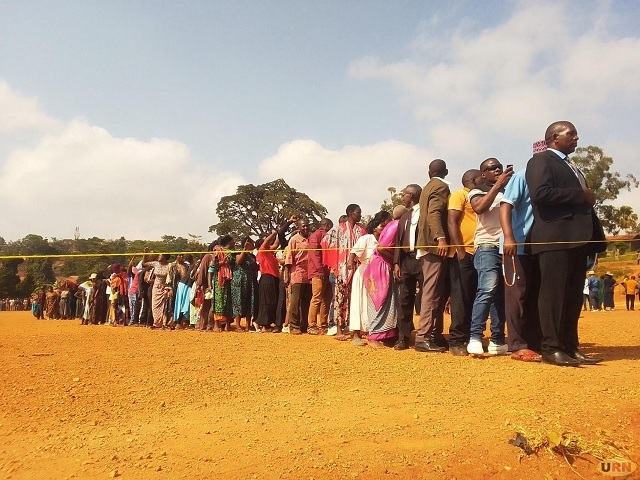
The recently concluded LC1 Elections across the whole country has attracted a relatively high amount of attention, compared to the usual things that distract us – including Sunday Brunch.
Excitement levels showed up in in terms of the voter turnout, general street conversational interest in neighbourhood corners, and political participation by the Daudis et al – notable professionals or well-known national characters.
Engineer Stephen Kaweesi, a former contestant for the Nansana Municipality Parliamentary seat, went seeking election as LC1 Chairperson in Katooke Zone.
Those who follow national political trends would probably remember how instrumental the LC unit was during the last general elections.
More importantly, in the roll-out of critical government programs like the Parish Development Model (PDM) the LC1 structure was crucial.
And that is without our highlighting how instrumental they are every weekend when we hold kwanjulas, burials, and other gatherings that require the LC1 Chairperson to deliver the first ‘Welcome’ speech where they say, “Security is gulu-gulu.”
PDM, which changes the livelihoods of millions of Ugandans, was wisely designed around the Parish for easy implementation, monitoring and evaluation. It’s crucial nucleus of success – or failure – is the Local Council structures.
In fact, we cannot summarize the importance of this unit better than our friend Crispin Kaheru when, as part of urging people to turn up in big numbers for the polls, he said that; “The quality of life in each village depends, in part, on the quality of leadership its people choose.”
Some may argue that this huge turn-out was because, as admitted by the national election organizing body, this particular exercise had been postponed 18 times before.
The same argument could be countered with the fact that, over time, people may have grown weary of the whole thing and decided not to bother turning up to vote or even be elected.
On the contrary, we opine that there has been a notable shift in the attitude that we generally have towards LC1’s.
More people have begun to understand that being an LC1 is not just about witnessing Land Sale agreements, issuing Introduction Letters, mediating local grievances and asking for money to place stamps on official application forms.
It has taken some of us more than 40 years to realize the genius behind the Resistance Councils (RCs) – the precursor of Local Councils.
These councils have been so effective in political mobilization, security, development and program implementation that many international scholars have carried out studies on how they interact well with set governance structures.
A wise person very recently opined, “Instead of asking why an educated and experienced person would contest for LC1 chairperson, perhaps we should be asking why more capable Ugandans are not interested in grassroots leadership.”
Serious Ugandans like Daudi and those who listen to him realize that sometimes effecting positive change more often than not starts with the most immediate person next to you; or a group with which you share daily challenges, experiences and aspirations.
Most of us should appreciate that in our own way, we wield influence in our social circles, in our families and our communities (back) at home.
During the 2021 general elections in one of the constituencies in South Western Uganda, one of the “newbies” in Parliamentary elections managed to uproot a veteran MP of 20 years by deploying a strange strategy; he encouraged all his friends from Kampala to join him on the campaign trail.
For some reason we will not go into, people in our villages generally listen to “Kampala people”.
The important factor there is that by “Kampala people” participating more actively in the affairs of local councils creates a better chance at impacting what goes on in society, and the country at large.
Speaking for “Kampala people”, this renewed, refreshed interest in local politics at the most basic community level we call the village, is intellectual growth in the right direction that will change society properly.
Especially if the Daudi’s of our world present themselves to stand, and win, and work.
He won.
Now we expect him to work and will support him.
Will you be next?


Jambo (Hi)! I'd be happy to hear your thoughts so…say something here?