
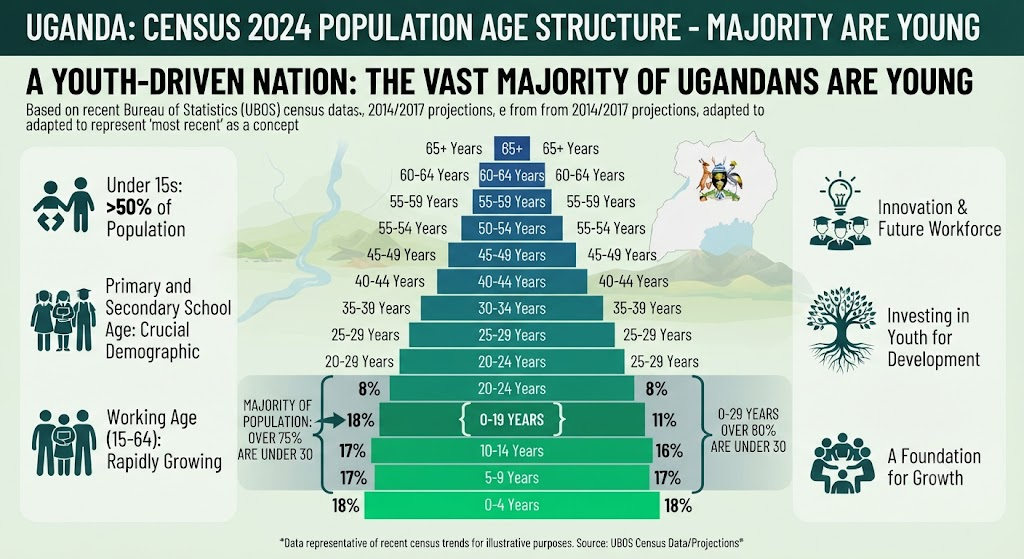
I AM AN OLD MAN – not just “in jokes” but because the most recent census held in Uganda confirmed that I belong to a segment of society that is being phased out, statistically.

My greying appearance stands out more starkly when I allow a couple of hours to go by without attending to it, in a fashion that causes people by the roadside who do not know me well to refer to me as “Mzee“.
Besides time spent on earth, though, I was raised in an age that demanded formality as respectful, proper and critically necessary before any sort of interaction was allowed to be carried forward.
Using the right forms of address for my elders and peers still comes naturally to me, for instance. I suspect that had I been born female, my knees would be a bit more worn from greeting people on my walks around my city village.
There was a time, as adolescents still growing up, when we engaged in a bit of harmless (even useless) social rebellion – changing our names or how we spelt them, for instance.
Because of the time we lived in, some adopted noms de guerre in the spirit of the revolution happening around us. In my case, there might still be etchings on the back wall of my school main hall that read ‘Salim Saleh II’.
Taking it further, I even took to writing my name out in school books using the Russian alphabet (Саймон Аарон) and then later on changing the spelling to a seemingly ‘cool’ “Cymon”.
None of that stuck – we were eventually always reminded that the government was in control and needed formality to advance our academics and more.
The Joint Admissions Board (JAB) of the Ministry of Education back then would not recognise you if your name before you became a teenager were different from the one you claimed as you tried to enter University.
Likewise, the other official channels that registered you to participate properly in life in the real world would toss you back out if your ‘Josephine’ showed up on application forms as “Jozey”.
The government is correct, always, because the standardisation and traceability gets rid of confusion under certain circumstances, streamlines bureaucratic work and can speed up service delivery.
On top of that, the government is also correct because it knows that during the time we change our names into those funky, cool ones in rebellion against our parents and society in general, we are adolescents whose brains are still forming to engage in complex thought and decision-making.
The scientists say that by the time you are 25 (they used to say 21 back in my day but…here we are) your prefrontal cortex should be fully formed and capable of functioning properly.
You basically have no real excuse to be using a fake name without having taken out a deed poll and filling out many forms to make the change official.
Writing your name out using a different arrangement of letters is simplistic. It can be accepted on your WhatsApp profile but that doesn’t make it legal on your driving permit forms.
That is part of the formality of officialdom.
I dare say that disregarding it could be taken as proof, on its own, that your prefrontal cortex may not have formed fully just yet.
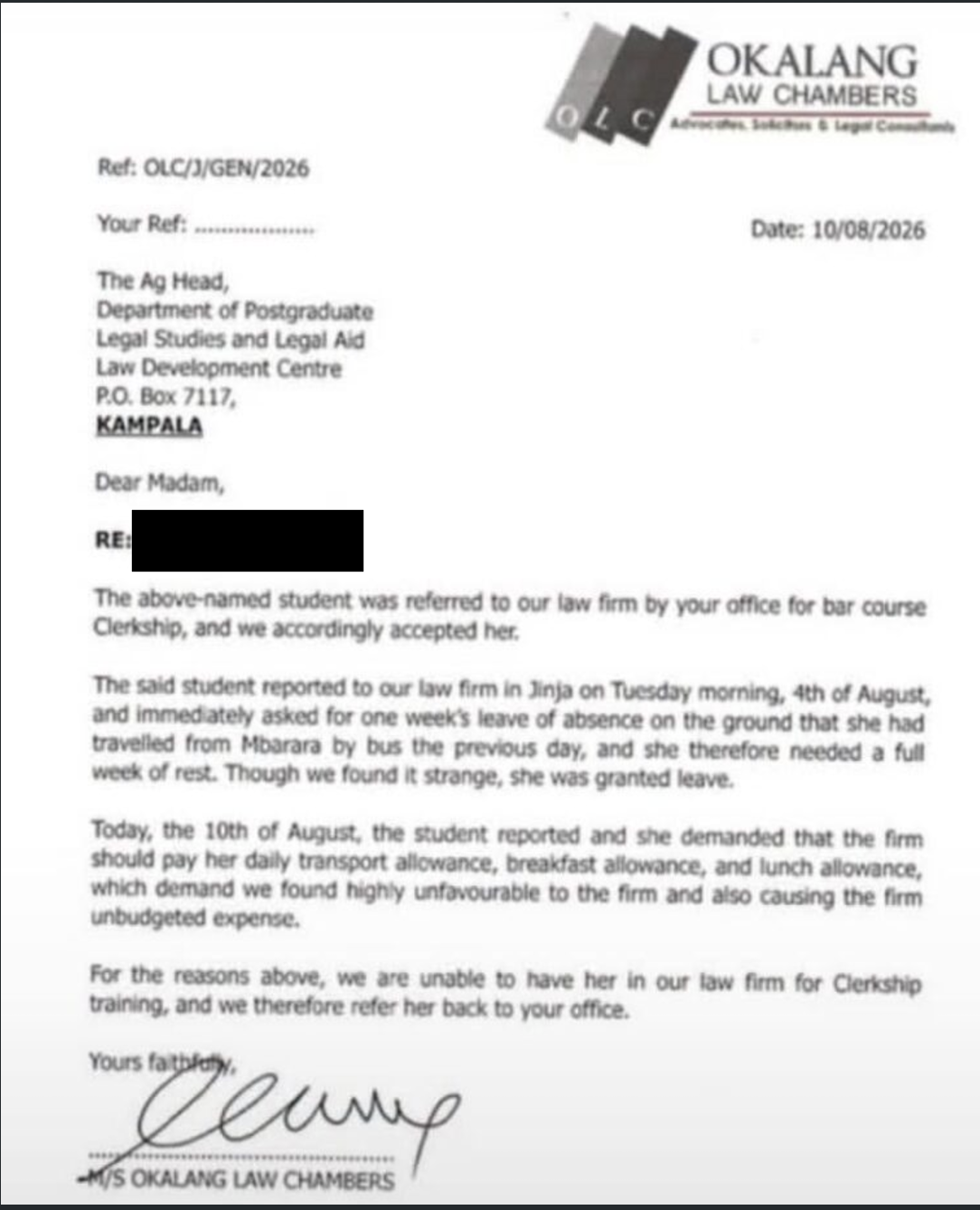
This is scary if we link it to the official figures established by researchers such as the Economic Policy Research Centre.
They reported that: “Uganda’s informal sector accounts for 54.5% of the national GDP and makes up about 92% of total employment. This means that out of the roughly 15.8 million working population, upwards of 13.3 million Ugandans operate outside the formal economy.”
The frustration that comes with this beats me every single day on many levels.
At the micro, I am now engaged in a campaign to get all my small-time service providers and contacts to start being more formal in their approach to work.
The most basic step down this path is to ensure that they do not provide me with silly names when bidding for work.
I run a tight domestic procurement arrangement in which even a seemingly basic plumbing job goes through professional assessment levels. When a winning bidder is selected and I am entering their details into my Supplier Database (aka mobile phone contact book), they are always confounded when I refuse to save names such as “Sula Plumber” and “James Chair”.
“Tell me your government name,” I insist, “that is on your National ID and Mobile Money account.”
The response is always heavily marinaded in suspicion, which I have to explain away by exhibiting that saving their name properly in my database shortcuts the payment process and avoids errors during transactions.
In fact, I tell them, I never save numbers in my phone if I have not been formally introduced to a person. This policy has run for years now, and helps me reject random WhatsApp messages from unrecognisable numbers that shield scammers.
I now find it irritating that I have to explain to a welder named ‘Ssalongo’ that I would much rather save his government name in my phone alongside that cultural title than just the word “Welder”.
First of all, he can’t be the only welder I know in Uganda, I told the most recent one. Secondly, I save precious minutes I would otherwise be wasting using phrases like: “Eleeta manya kyi?” (‘What names does the Mobile Money platform show against your number?’)
There is a purpose for formality. There is a logic to formality. There are many benefits of formality.
Especially in the private sector where we very urgently need to use our fully formed prefontal cortex and meet the expectations that come with that process being complete; both at the macro- and micro- level.

Jambo (Hi)! I'd be happy to hear your thoughts so…say something here?