
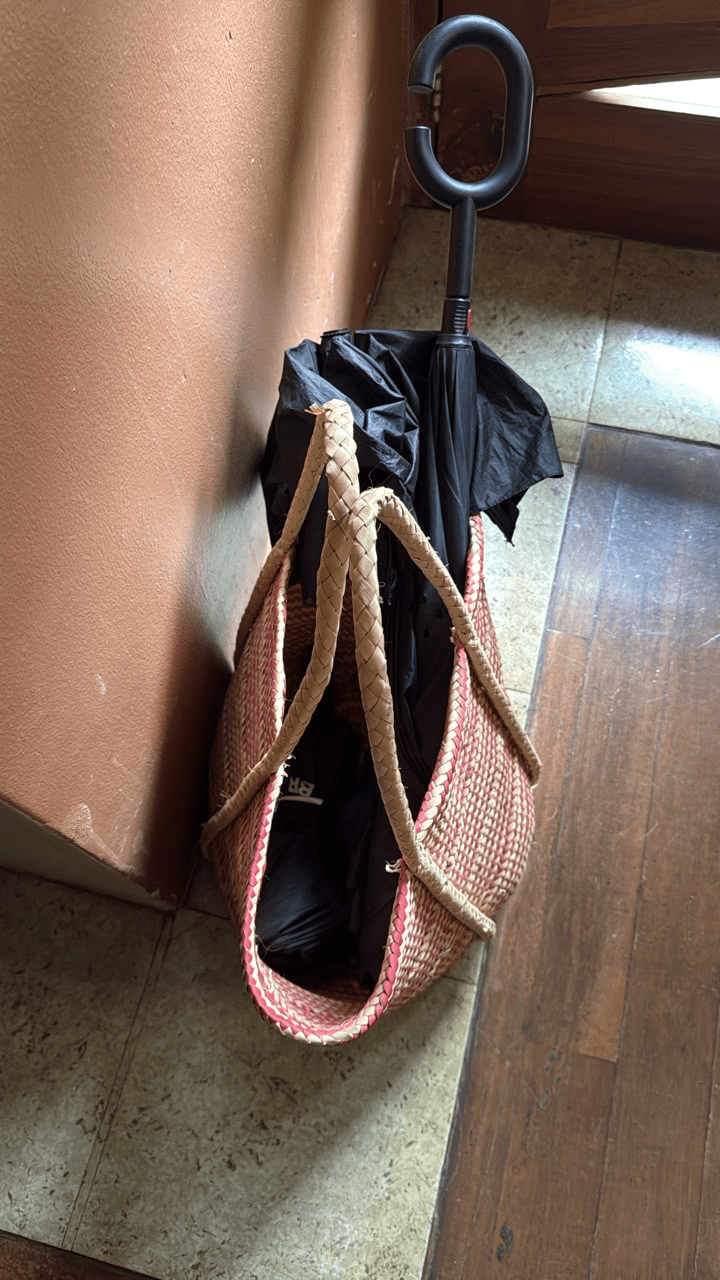
I HAVE GIVEN away another one of my random umbrellas.
This particular one cost me Ushs8,000 one afternoon some months ago after I had gone halfway down my late afternoon walk and walked into a drizzle.
I had noticed the clouds gathering before I set off on my walk but went ahead anyway, with enough money for contingencies.
That umbrella served me for many weeks, as I ensured it was also light enough for use under harsh sunlight.
Being so cheap, the velcro clasp snapping off a couple of weeks later did not disappoint me.
Just two days before I gave it away I had considered gluing it back into place but before getting round to it the skies opened up quite suddenly one evening.
By coincidence, my domestic boss assigned me the task of serving domestic dinners shortly thereafter, so the umbrella had to come into play.
Just before I walked out the door, however, I realised that the askaris certainly had no umbrellas of their own. Raincoats – yes. But umbrellas? I was sure – no.
So I was happy to hand it over that evening, after checking briefly if they were even aware that it was going to be necessary in the weeks to come.
You all know what they said when I asked them about having an umbrella in the first place.
Their occupation is not the issue – ask around you there where you are and please report back if even the well-heeled professionals around you are prepared for the coming rains or their impact.
I regularly share the weather reports of the Uganda National Meteorological Authority, the World Meteorological Organisation and other weather-related sources, as I have stated here before, especially with my farming community.
The most recent ones, though, need to be given more attention.
The United Nations Office for the Coordination of Humanitarian Affairs (UN OCHA) issued one that read much the same as the Uganda Ministry of Water and the Environment one.
The UN OCHA, working with the Inter-Governmental Authority on Development (IGAD) stated their concerns politely but deeply, while the Ministry of Water and the Environment told us to Be Serious about what is like to happen here soon.
To gauge the seriousness of the situation in the UN OCHA one, they stated that:
“Based on current projections, this could rank among the most intense El Niño episodes observed since at least 1950, with potentially significant impacts on global and regional weather patterns.”
“…IGAD estimates that the evolving El Niño pattern could be similar to what was observed during 1997-98 and 2023-24, which were very strong and strong El Niño events, respectively.”
I first heard of El Niño in 1997 or thereabouts – and La Nina much later. I was here when it happened, and it was scary.
Plus, – please pay attention – they say we are also likely to experience the Indian Ocean Dipole (IOD) which is similar to El Niño and yet not the same.
“The IOD…can also have significant impacts, particularly during the October-December season across the Horn of Africa. When a positive IOD occurs at the same time as an El Niño, it tends to reinforce El Niño’s wet influence on this season. The IOD is currently neutral but is predicted to turn positive in the coming months…”
This is like us being warned that there might be two close relatives who are unruly and rowdy drunkards with violent and destructive tendencies being about to gate crash the family BBQ.
You can neither lock them out nor cancel the BBQ.
What do you do?
At the very least, change the set up so they can’t break furniture, get into the drinks store or find seating close to the front of the gathering, and so on and so forth.
The El Niño warnings are real. We are likely going to have a problem – not just here in Uganda, but across the region.
These warnings are being sent so we prepare to avoid the trouble these unruly and rowdy drunkards might cause.
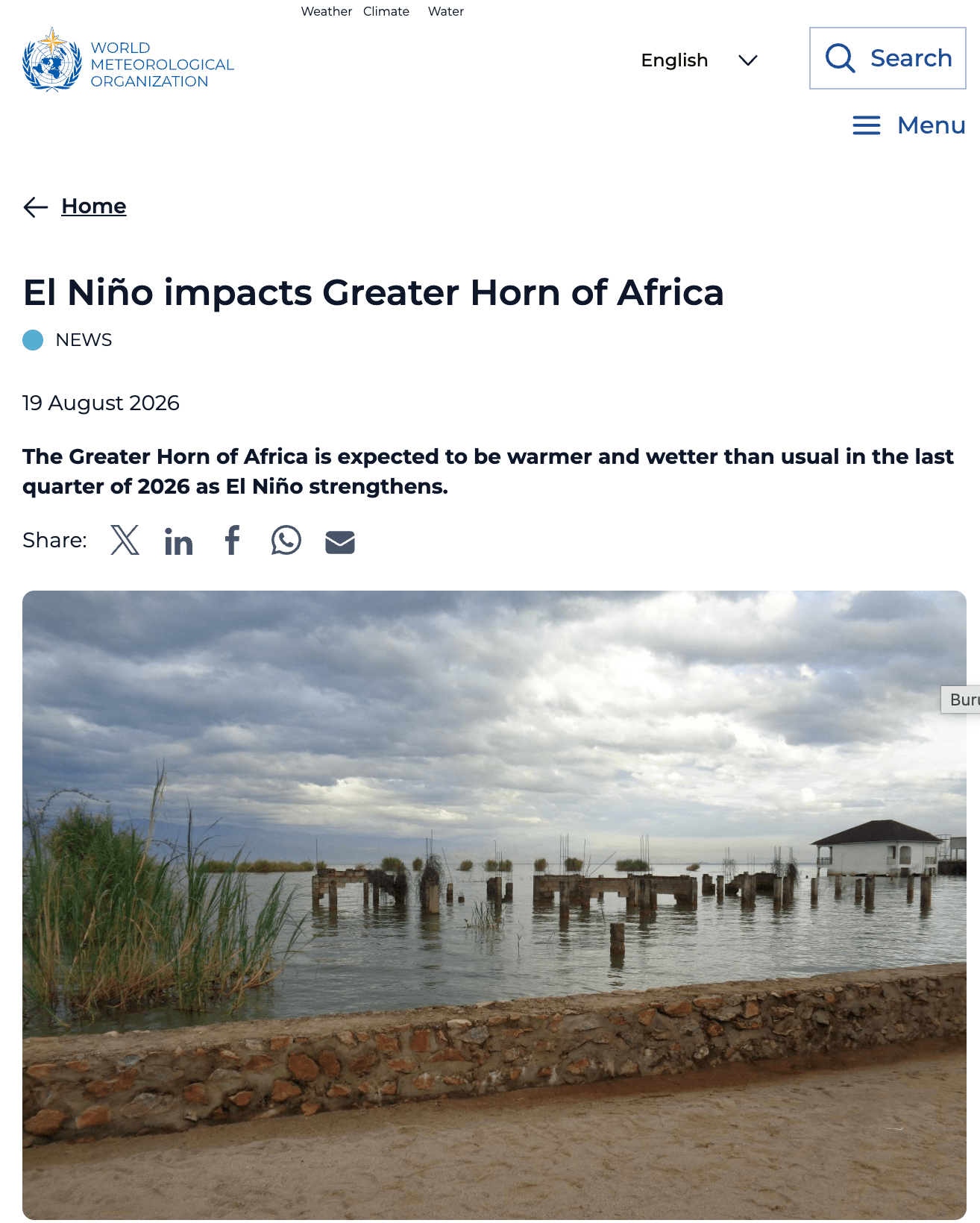
The Ministry told us, in theirs, to “ensure appropriate preparedness, planning and take precautionary measures” and then give us a list of items including the simple ones like “clearing drainage channels and flood pathways”.
Imagine that – you and I should clear our domestic drainage channels or avoid clogging them. Just that small step will help ward off the destructive effects of El Niño.
Simple.
I need not say anything about Bududa or Bundibugyo, surely.
Even at a basic level, I fear that even here in Kampala some of us are going to be lamenting about heavy traffic because of drainage channels getting flooded, and missing meetings because we could not walk through the rain.
Can we buy umbrellas and raincoats?
Yes.
Will we?
Will we even manufacture umbrellas on a medium scale to supply to those sensible-minded around us who can afford them at a very affordable Ushs8,000 on a random afternoon?
That remains a polite question.
It should not need answering.
We can’t answer it anyway, since we seem to be waiting for another round of floods before we can get serious and even buy an umbrella.


Jambo (Hi)! I'd be happy to hear your thoughts so…say something here?