
By Peter Kahindi

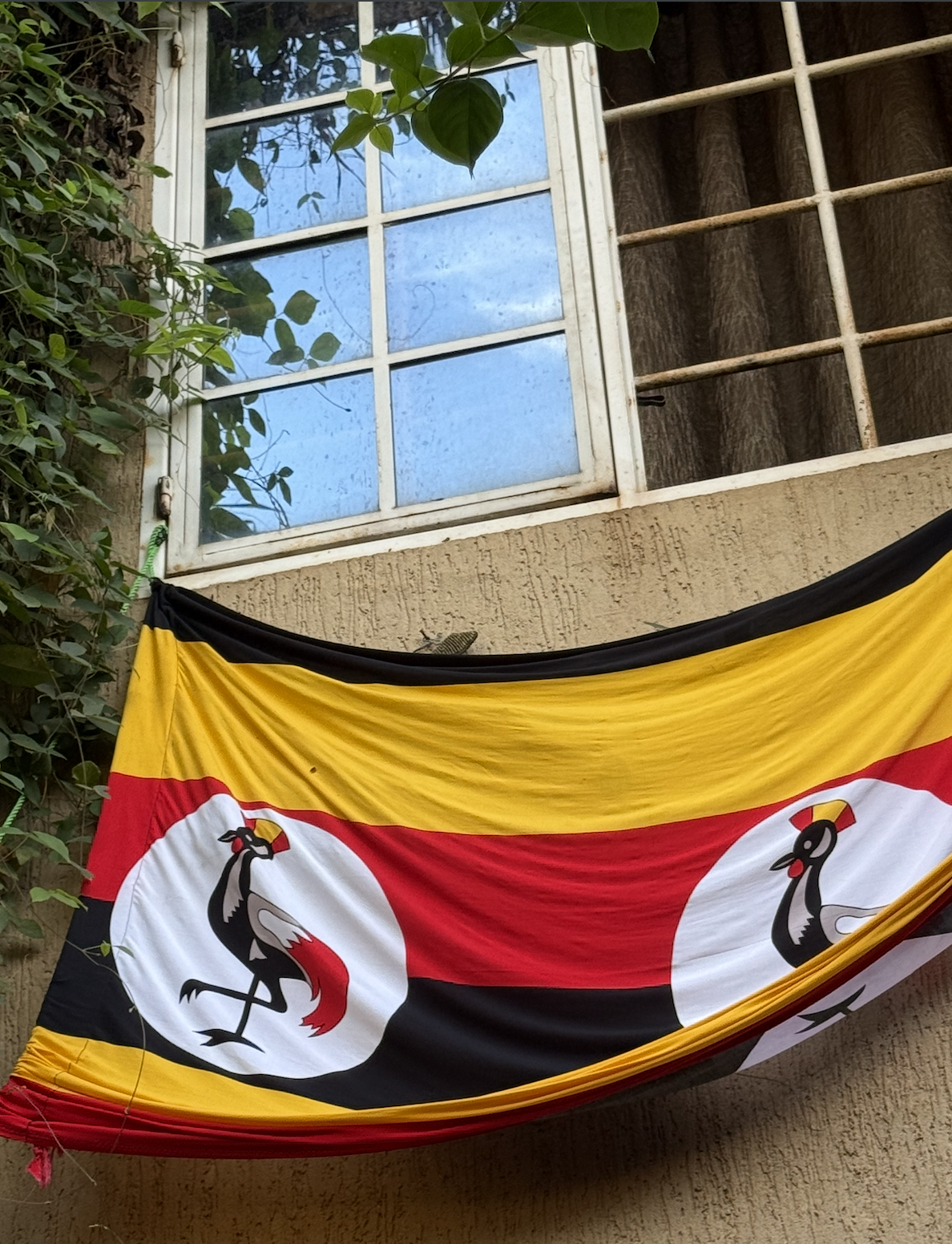
As Uganda marks 64 years of independence, we will hear the word “Uganda” used for three different things, often in the same sentence.
That confusion is not harmless. It is why some people are now treating Ray Mujuni’s move into government as a betrayal of ‘their’ country.

Drawing from the Constitutional History lessons delivered by my senior colleague and former Law lecturer Edgar Tabaro, the country is the people, the land and the shared story. It is the multiplicity of ethnicities who live between the lakes and mountains. It is the Nile, the coffee and the matooke, the languages. The country predates 1962 and will outlast every government and every president. Nobody can be “against” it, because it is not an office anyone holds.
The State is the machinery that makes a country governable – like the Constitution, Parliament, the courts, the army and police, the civil service, the diplomatic corps, the borders. It is meant to be impersonal and continuous. A passport is issued by the State. So is a land title, a court judgment or a treaty. The State is there whether you like the people in charge or not.
The Government is the group of people who, at a given time, control the State and set its direction. Think of the President, Cabinet and ruling party, plus the policies they pursue. Governments are temporary, even when they last a long time at a time. They can be praised, opposed, voted out or, in our history, violently removed.
Put simply, the country is who we are, the State is how we are organised, and the Government is who is steering (for now). When the steering is bad, the answer is to fix the steering wheel and keep the vehicle intact and running right.
The people attacking Ray – as I like to call him – are making a category error. They see the Government, with its perceived or real governance failings, political space bottlenecks and consistently contested elections, and they treat the whole State as if it were the same thing.
So anyone who works inside any State institution becomes complicit in the Government’s failings.
By that logic, a teacher in a UPE school endorses the President. A doctor at Mulago endorses the ruling party. A diplomat explaining Uganda’s interests abroad endorses every decision of the Executive.
All these analogies are as inaccurate as they are impractical.
A Senior Policy Adviser in the Foreign Affairs ministry is not a campaign agent.
The job is to, using evidence-based approaches, help the State think clearly about trade, regional relations, migration, diaspora interests and negotiating positions.
That work serves the country whoever is in office, whatever the civil servant’s political inclination is.
If you believe governance in Uganda is flawed, you should want the best-trained, most-exposed and most-experienced people inside the machinery. We can present three reasons why:
- Weak systems fail the most vulnerable, for instance, bad policy advice, a poorly prepared negotiation or a badly drafted regulation costs ordinary people the most. The farmer will not export, the trader will not sell or buy anything at the border and the worker abroad who needs diplomatic help will be stranded. Those problems do not and will not wait for a change of government; they have, are and will be there.
- Capacity, stamina and gravitas are what keeps a State standing through the most violent political storms. Ray covered the extraction of Ugandan citizens from the war-ravaged South Sudan 11 years ago aged 22. We won’t go into his firm stances on injustice and his journey as an investigative journalist. You already know. Nobody wins when a State is left to the unqualified, the incurious and the merely loyal. Some things cannot and should not be left to mere political expedience.
- Reform comes from inside as well as outside. Critics, journalists, courts and the opposition are essential. But a State also improves when someone in the room writes the better memo, asks the harder question, or knows how another country solved the same problem. Ray spent years as an investigative journalist exposing how decisions get made, and then studied global diplomacy and inequality at Oxford. That is exactly the training you want in a room where policy is shaped.
One fair question has been raised: will such a person have room to use his brilliance inside the system?
That is a legitimate concern and a better one than; “how dare he!”
The answer depends on whether the Government makes space for expertise. Prof. Yusuf Serunkuma put questions of this nature to him in their recent discourse. If it does not, that failure belongs to the Government, and it is more reason to put capable people there, not fewer.
None of this means public servants are above criticism. If Ray’s advice is poor, or if he stays silent while rights are violated, hold him to account. Judge him by what he does with the position.
Judging him merely for taking it assumes that the only honorable place for an educated and exposed Ugandan is outside the State, and that would leave the State to those least equipped to run it.
On this 64th independence, we should love the country, defend the State and hold the Government to account, and we should be able to tell these three apart.
A Uganda that wants better governance needs more well-educated, exposed and experienced people in the places where decisions are made.
It does not need fewer.
Happy 64th Independence Anniversary, my beloved Uganda!


Jambo (Hi)! I'd be happy to hear your thoughts so…say something here?